Mt. Rainier
Climbing Mount Rainier: A Journey of Challenge, Change, and Respect for the Mountain
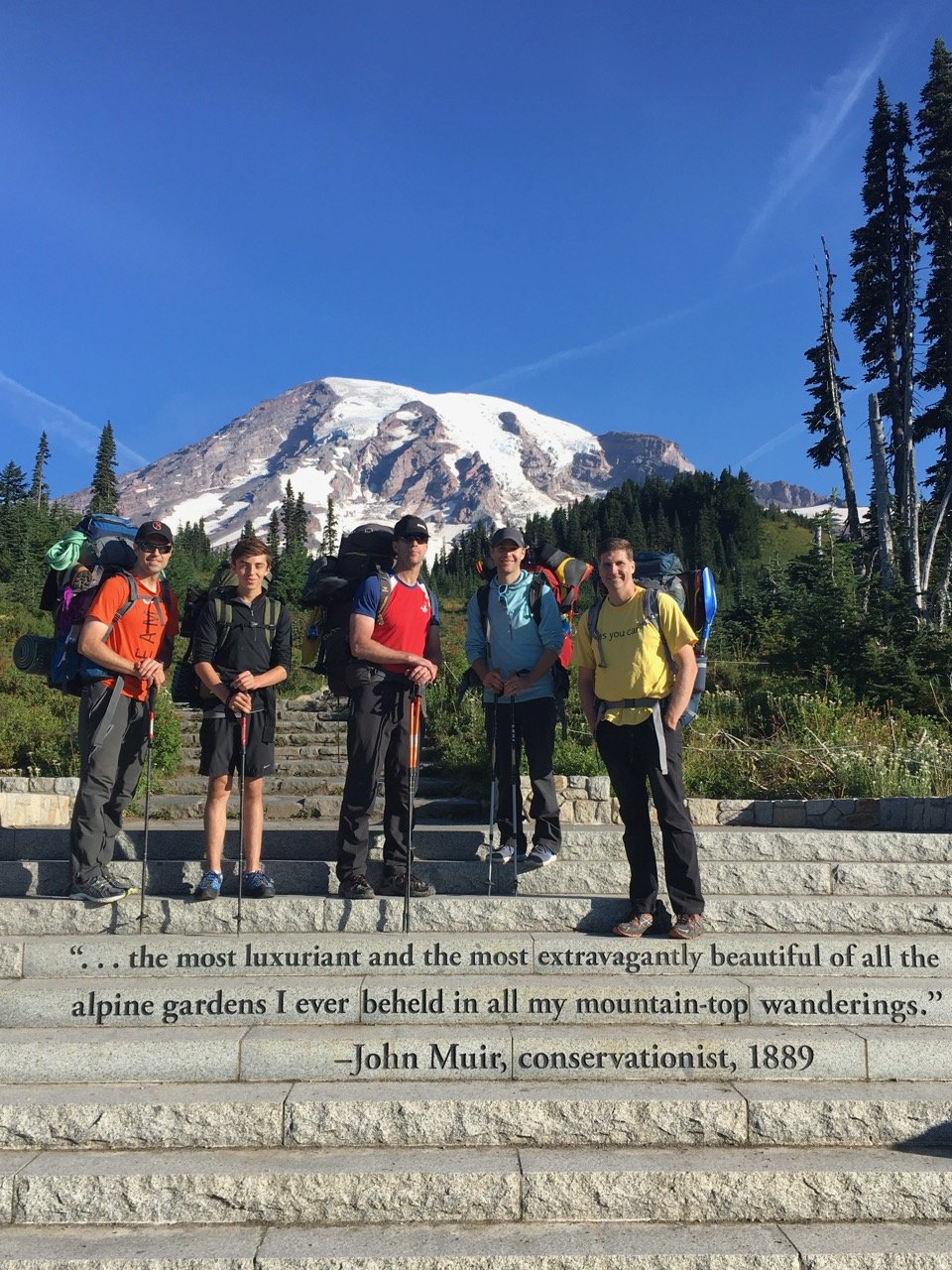
Arriving at Paradise
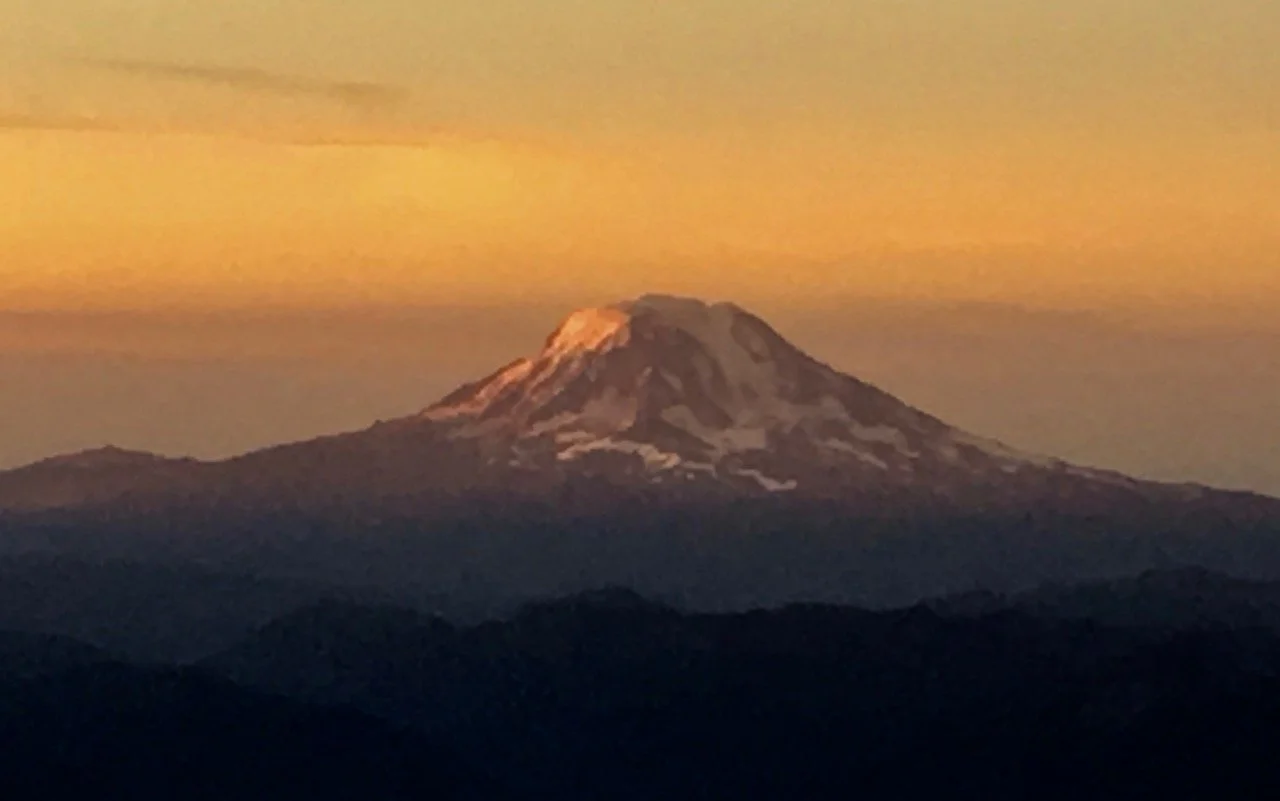
When we arrived at Paradise, we were immediately struck by the immense presence of Mount Rainier—the tallest volcano in the continental United States and the most glaciated mountain outside of Alaska. Traditionally, annual snowfall exceeds annual melt, allowing snow to compact into dense layers of ice that form glaciers.
But this year was different. Record-breaking temperatures across the Northwest had accelerated melting, causing glaciers to retreat, crack, and destabilize. This shifting ice increased the hazards for mountaineers, and that reality became clear the moment we checked in.
A Sobering Start
Climbing rangers shared three serious warnings:
A rescue had taken place that very morning. A climbing team, after reaching the summit, found the glacier beneath them had collapsed. Ice that supported their ascent had broken away, leaving them stranded. They were eventually able to descend safely.
The rangers had completed their final day of the season. Their on-mountain support would no longer be available.
Rescue helicopter operations had also ended. Any emergency response would be significantly delayed.
Despite the ominous news, the forecast called for colder temperatures—conditions we hoped would stabilize the route by freezing loose sections of the glacier.
Day 1: The Ascent to Camp Muir
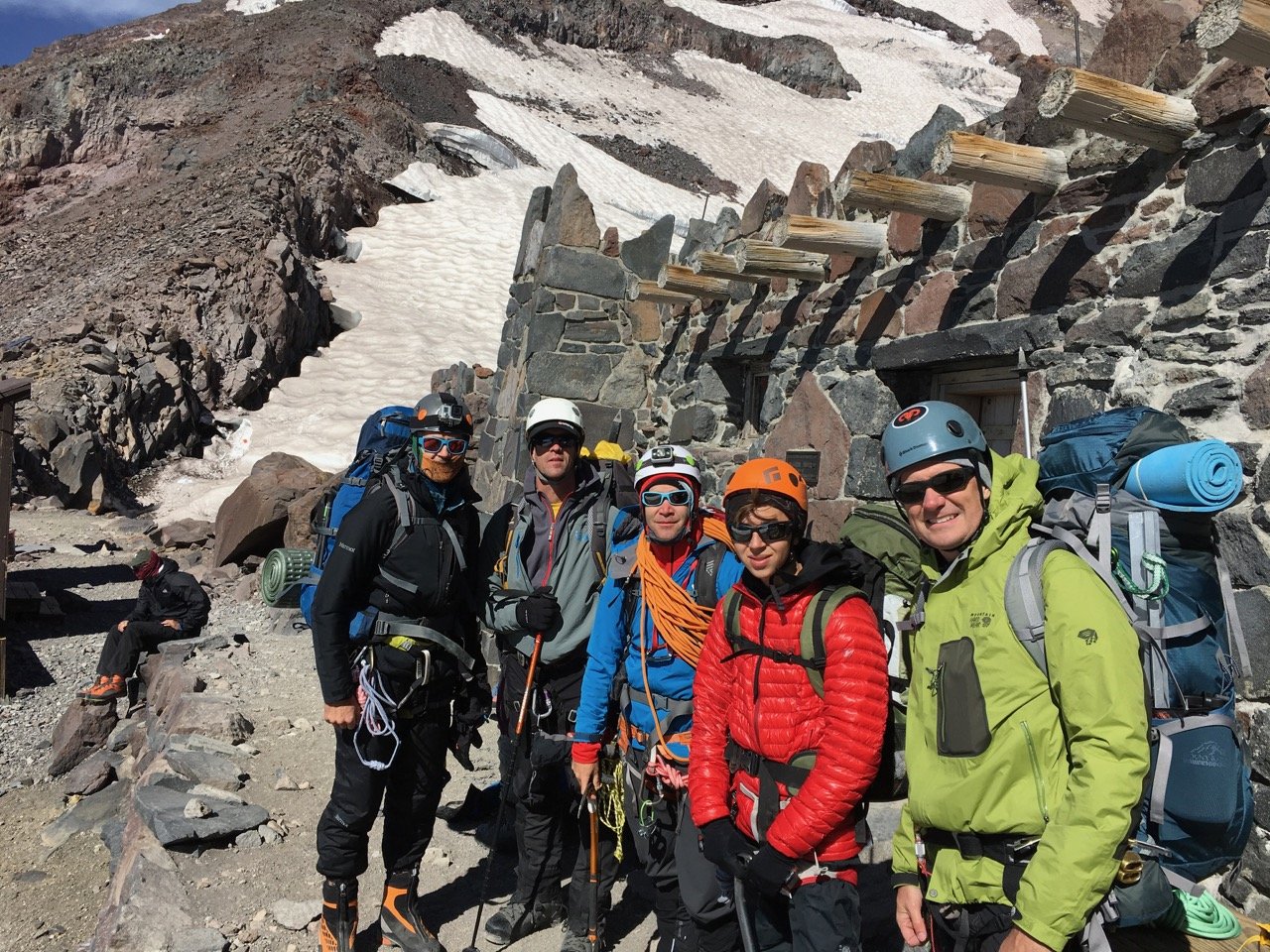
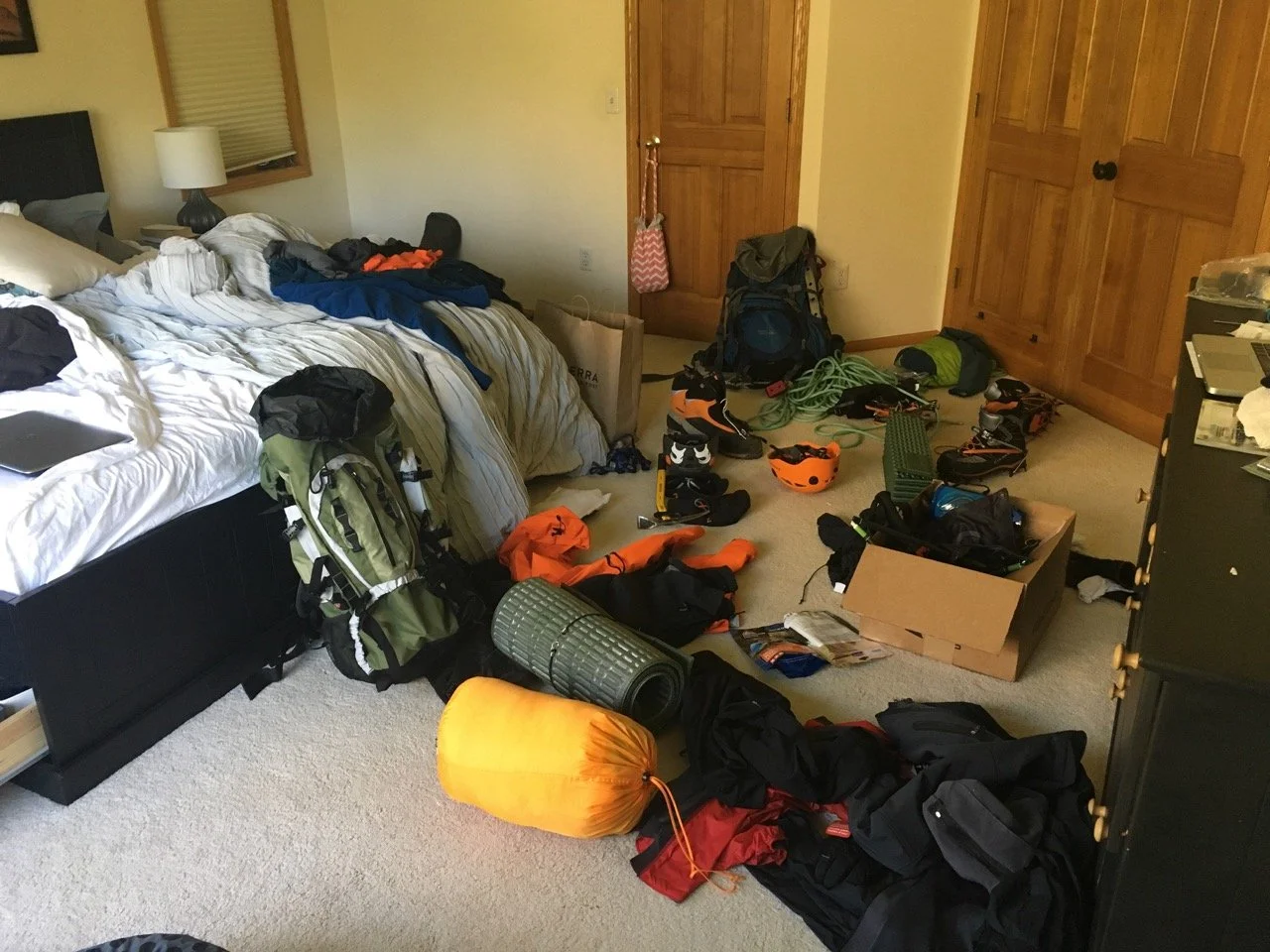
We checked our gear, loaded packs that weighed nearly 30% of our body weight, and began our climb under a warm, bright spring sky.
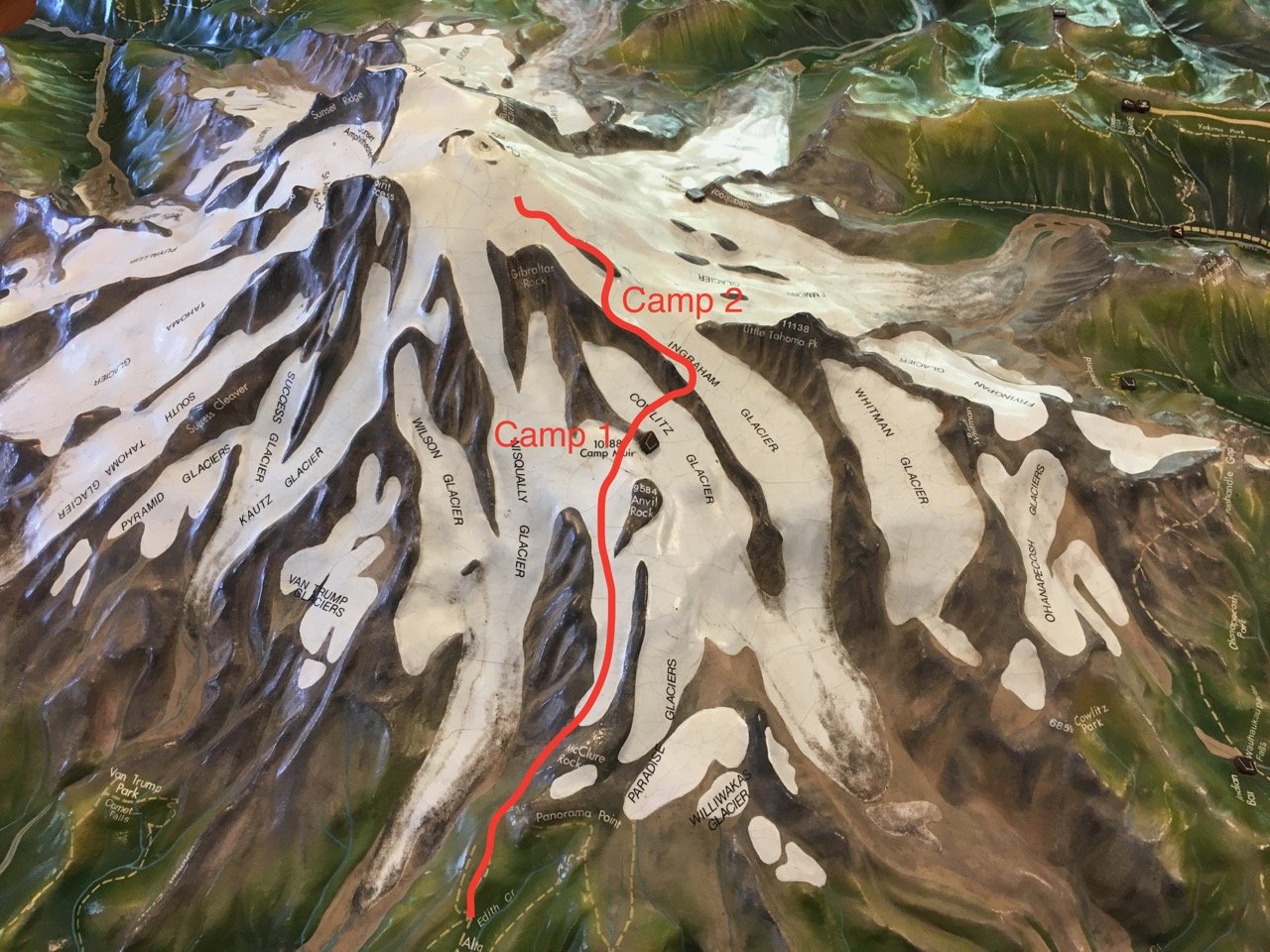
Our goal: reach Camp Muir, roughly 5,000 feet above Paradise.
The trail wound through vibrant alpine meadows before rising steeply along the Skyline Trail toward Pebble Creek. Because most of us live near sea level, we climbed gradually to acclimatize.
Camp Muir is a rugged outpost with seasonal structures—outhouses flown in by helicopter, a National Park Service building, guide company shelters, and a public shelter where we spent the night. There is no running water, so we melted snow and ice to replenish our supply.
Day 2: Crossing the Cowlitz and Reaching the Ingraham Flats
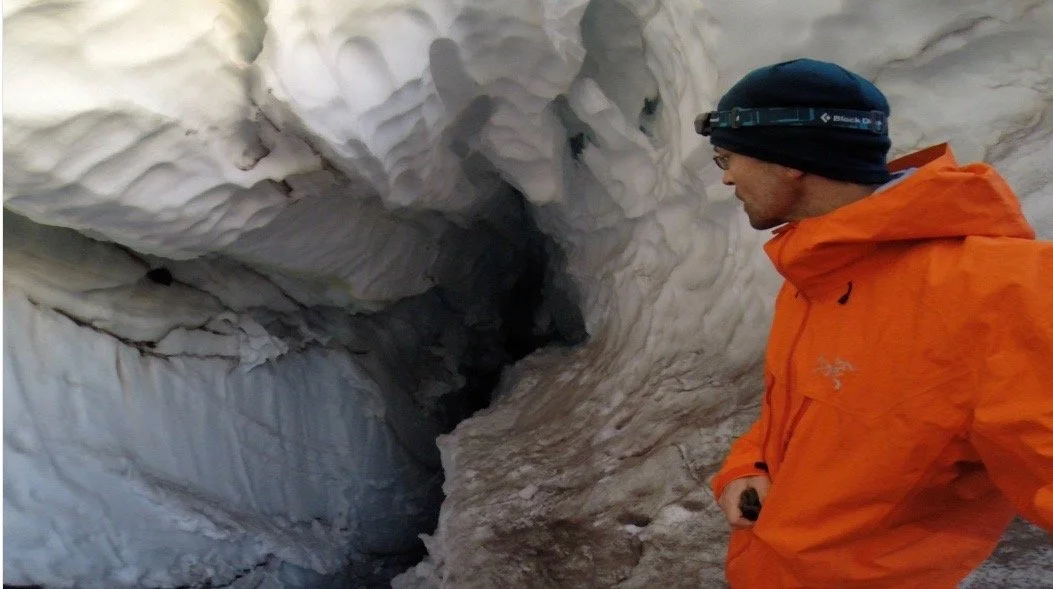
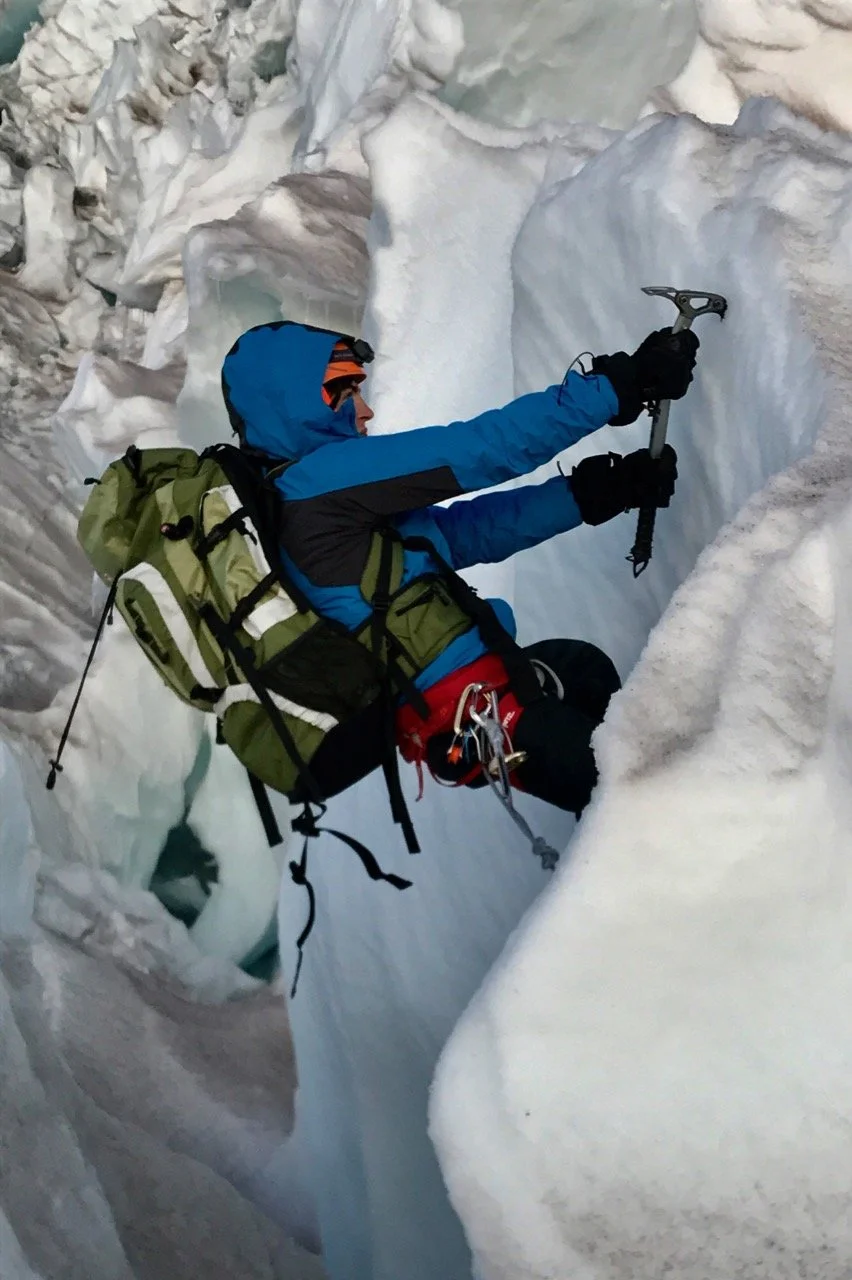
At sunrise, we began Day 2 by exploring a massive crevasse we had unknowingly walked over the day before. Our route took us across the Cowlitz Glacier, up through the Cathedral Rocks, and onto the Ingraham Glacier.
We established camp on the Ingraham Flats beside a striking opening in the glacier—a reminder that one misstep in the night could be fatal. After digging out and leveling a spot in the sun-cupped snow, we pitched our tents and prepared for the challenging day to come.
Day 3: High Winds, High Stakes
The forecast called for cold temperatures—good news for stabilizing the route—but also for punishing winds, which sap energy, destabilize footing, and can make climbing dangerous.
We barely slept as wind hammered our tent through the night. At 2:45 a.m., exhausted but determined, we roped up and began our ascent in the dark.
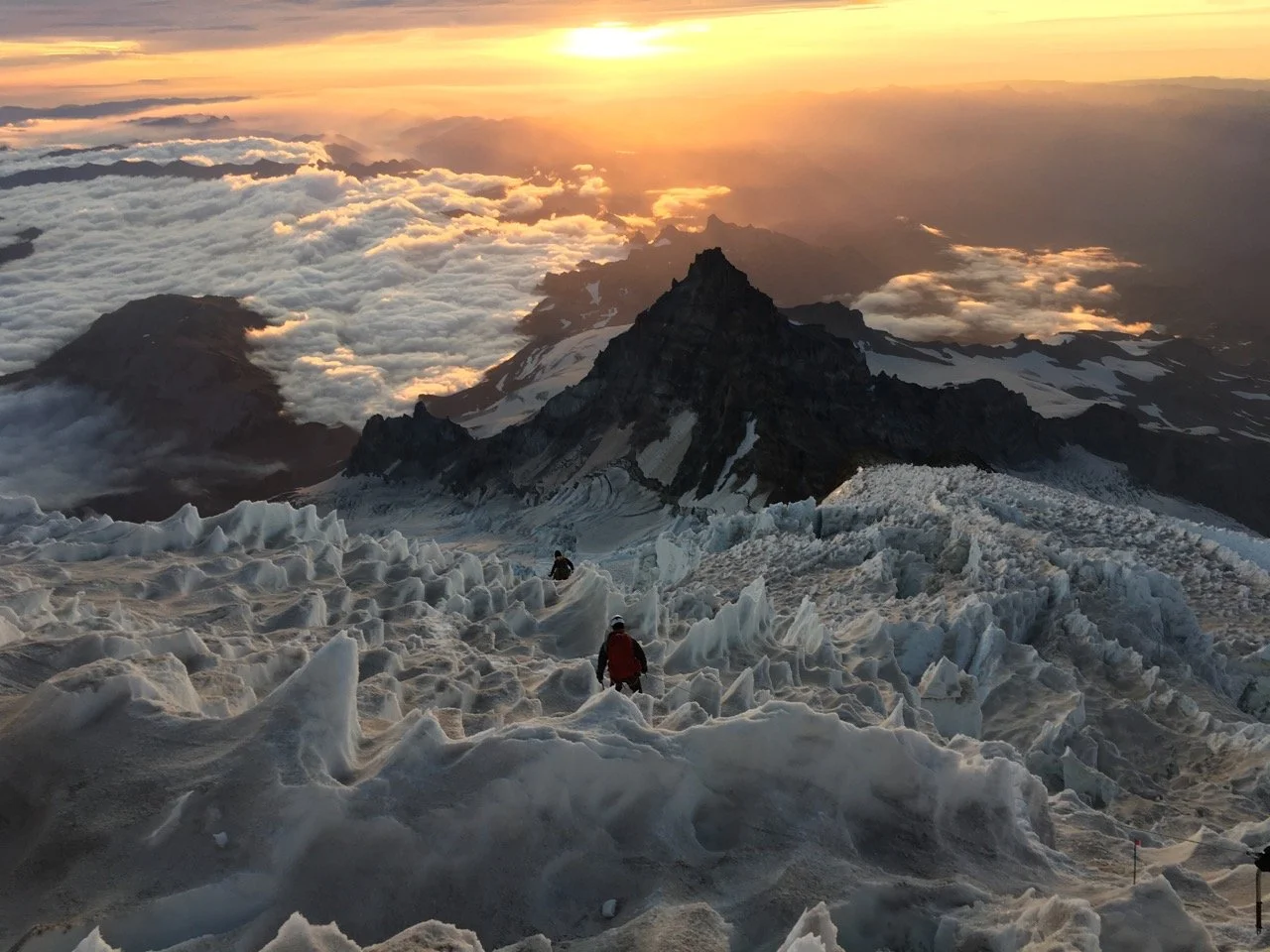
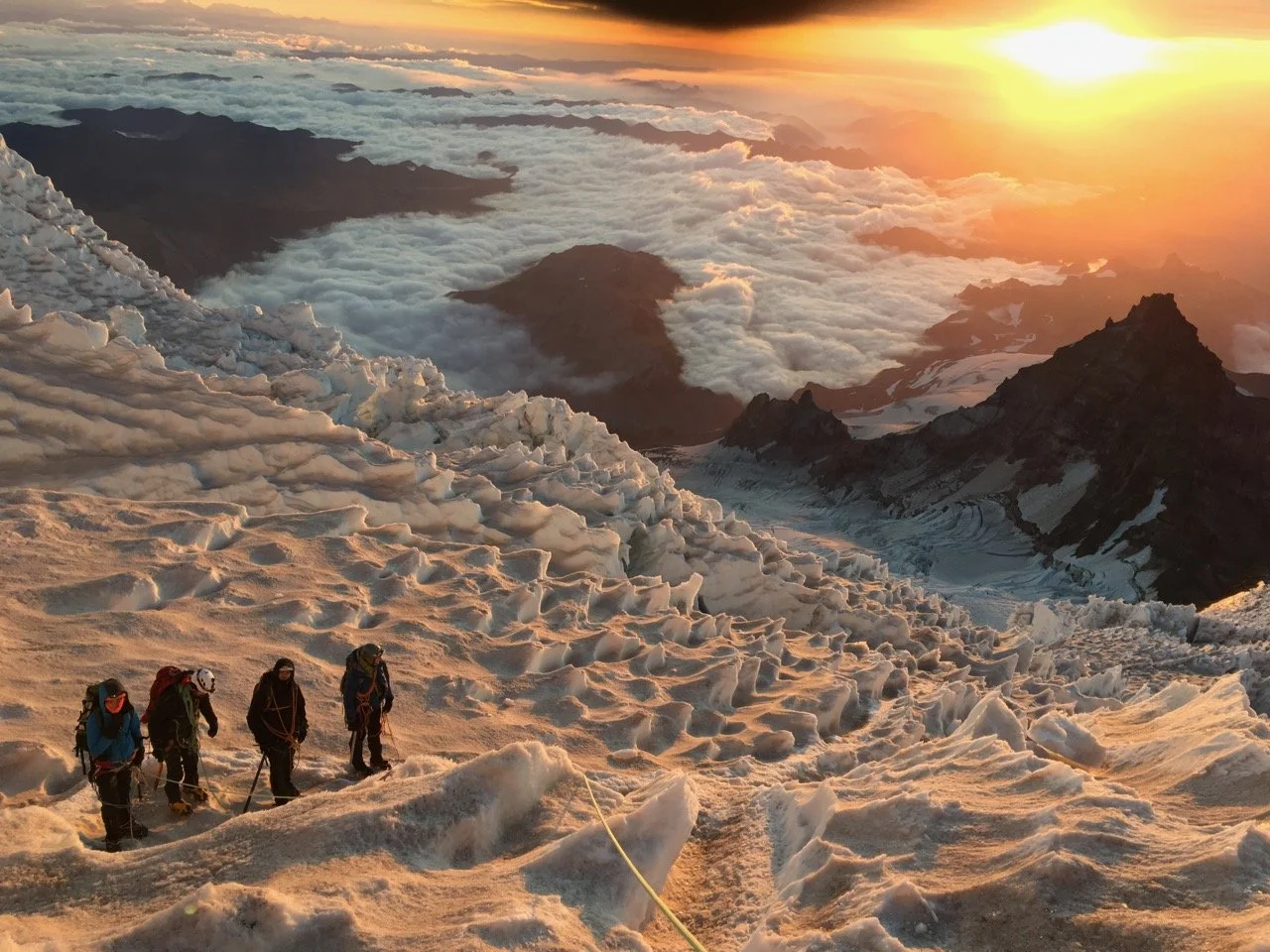
For hours, we navigated the Ingraham Glacier and the Disappointment Cleaver. As dawn approached, we were rewarded with a spectacular sunrise at around 12,600 feet—a moment of breathtaking beauty in an otherwise formidable environment.
A Difficult Decision
Just ahead of us, three guided groups decided conditions were unsafe and turned back. We paused to evaluate. We were only a short distance from the location where the glacier had collapsed days earlier. Physically, we felt strong, but given the instability of the terrain—and knowing that emergency assistance would be delayed or impossible—we chose to stop.
A climb is only successful when every team member returns home safely. The summit is always optional.
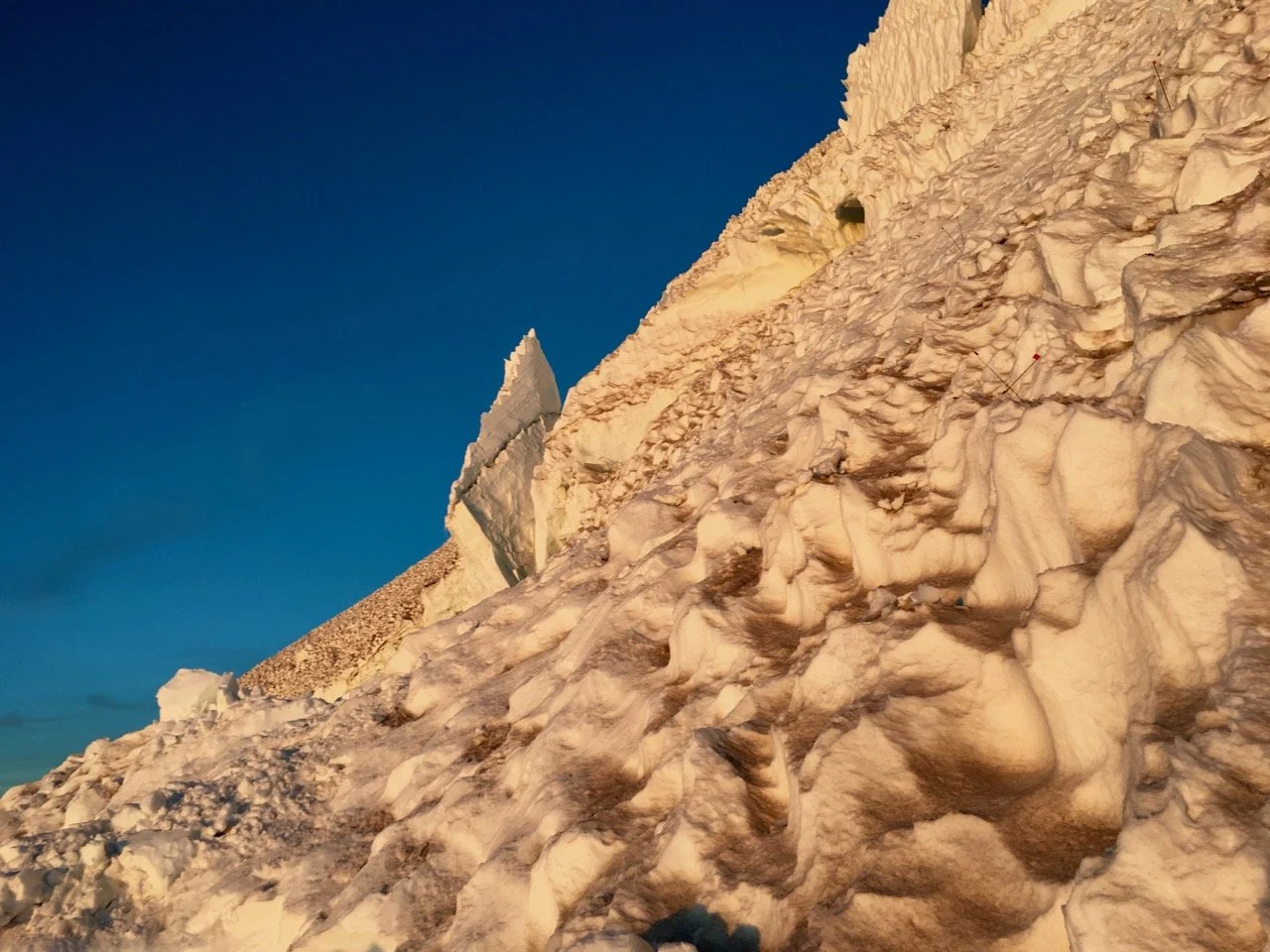
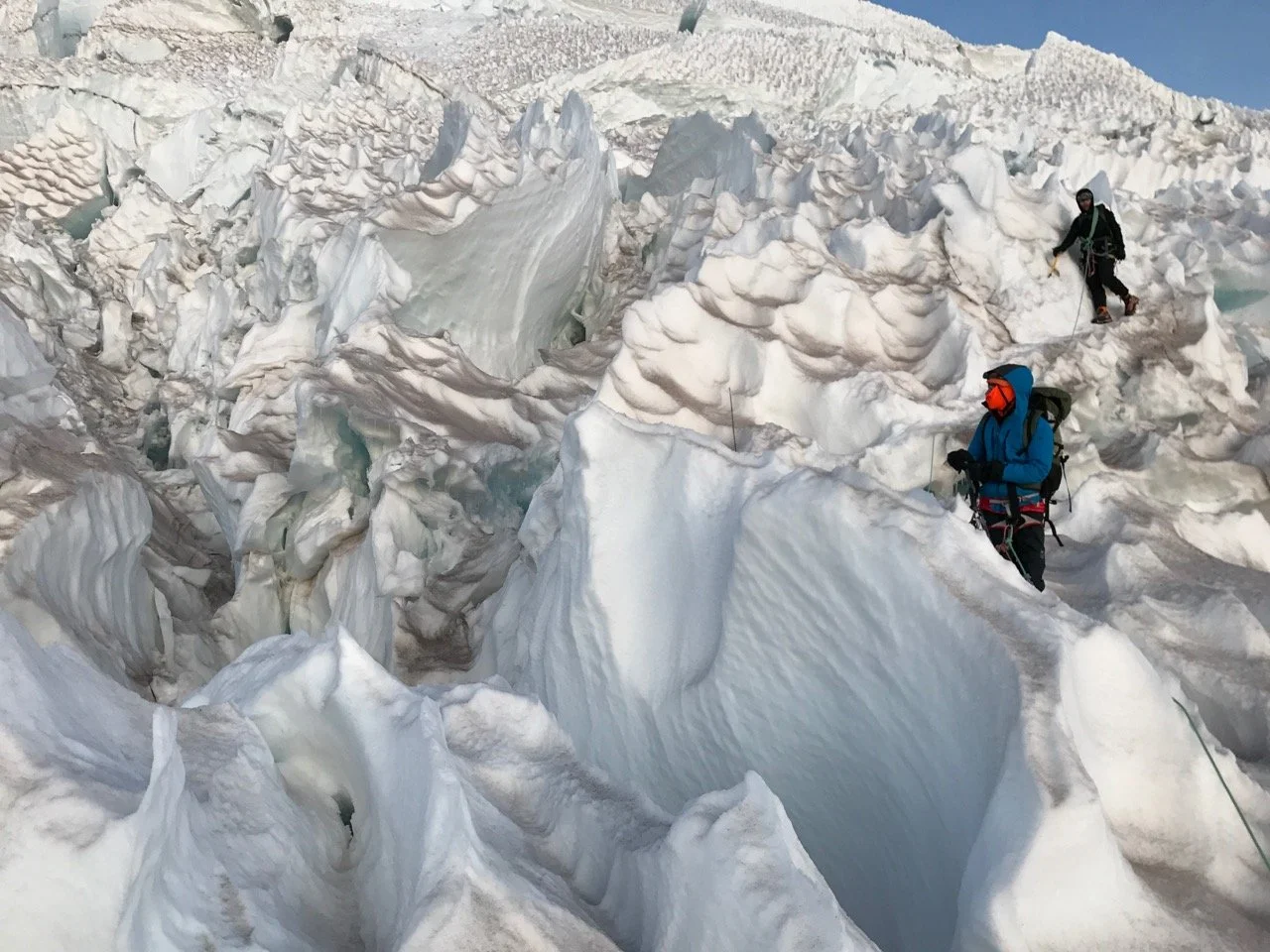
We took in the surreal landscape around us, surrounded by shimmering nieves penitentes—tall, blade-like snow formations that gave the mountain an otherworldly feel.
The Descent
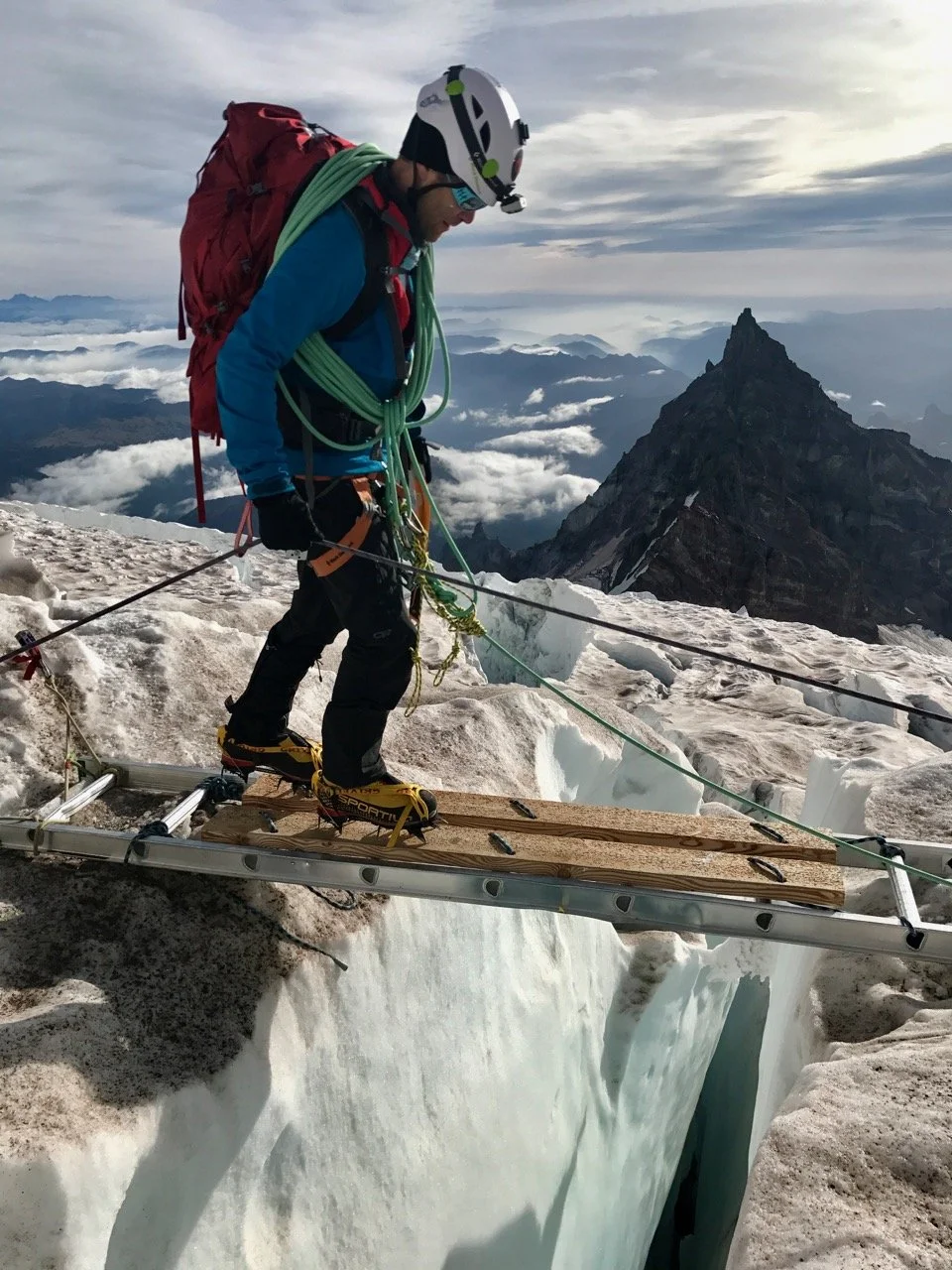
As we descended in daylight, we saw hazards we had unknowingly crossed in darkness—including a ladder spanning a drop of more than 150 feet.
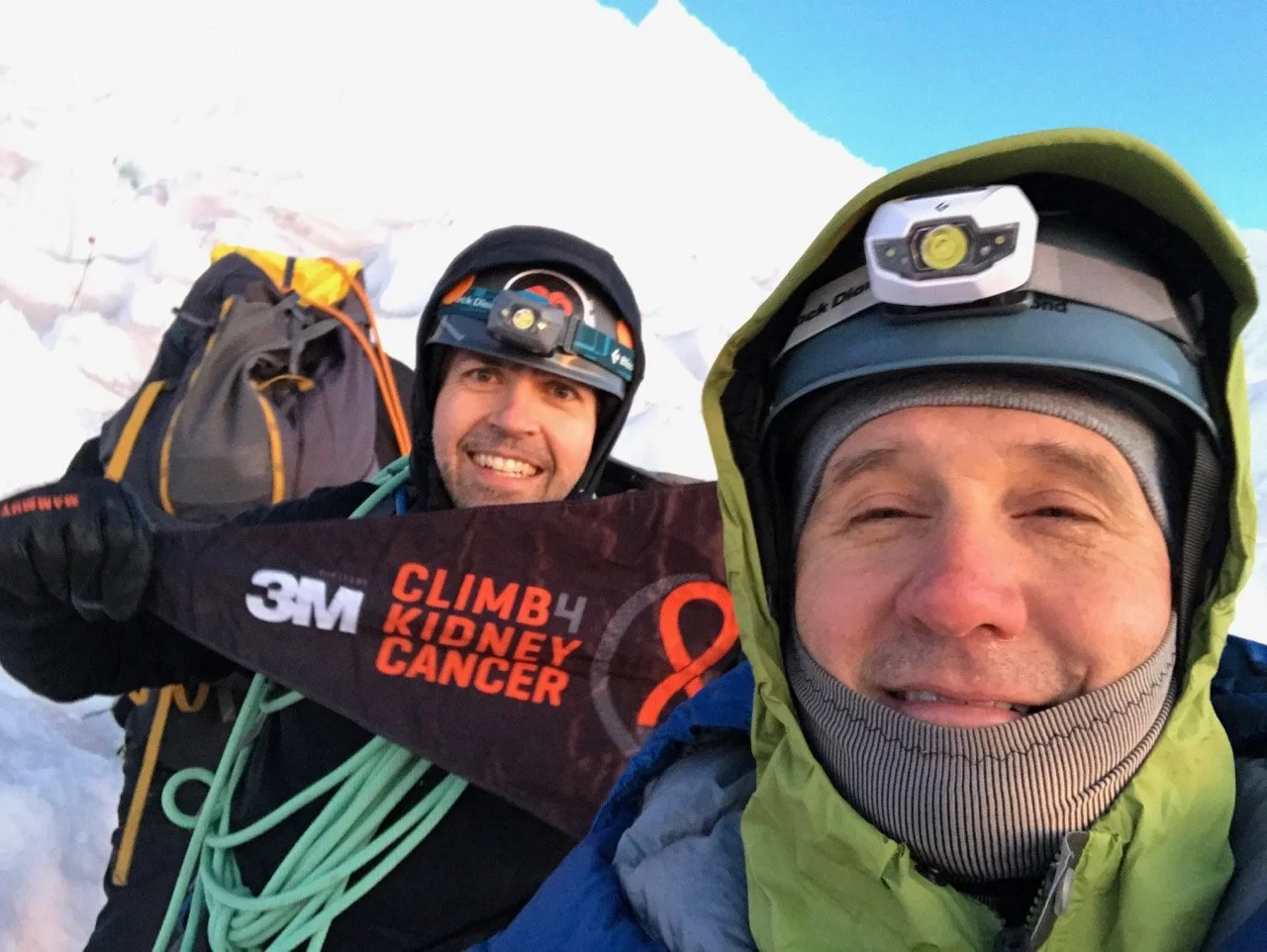
We kept close in mind the person we were climbing for: Thuy
Descending more than 7,000 feet back to the parking lot, we ended the day with a well-earned meal. While we were disappointed not to reach the summit, we understood that the mountain sets the terms. As the saying goes, “When you dance with the mountain, the mountain always leads.”
We hope to return under safer conditions—and continue climbing for those whose battles inspire every step we take.